Five Barking Dogs

Category: Uncategorized

How to Tell when a Dog is Upset, Stressed, or Scared

How to Tell when a Dog is Upset, Stressed, or Scared

How to Tell when a Dog is Upset, Stressed, or Scared

How to Tell when a Dog is Upset, Stressed, or Scared

As a dog parent, it’s important to you that your best buddy is living a happy life free of concerns. But it’s not always easy to see when a certain situation, person, or stressful location is upsetting your dog unless you know what body language to look for. All too often, a well-meaning dog owner isn’t aware of how their dog feels about a person or the way that person is interacting with them, which can lead to misunderstandings — a dog suddenly biting or becoming aggressive, for example.

Knowing these things will help you identify when your dog is uncomfortable and can really make a difference in otherwise-unexpected behavior like snapping or biting. If you watch for these signs, you’ll be able to tell when your dog is experiencing stress so you can address the situation. This doesn’t just help prevent behavioral problems, it also leads to a happier,
How Well Can Dogs See?

How Well Can Dogs See?

How Well Can Dogs See?

How Well Can Dogs See?

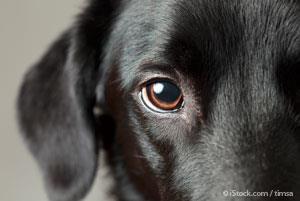
Dogs are famous for their sense of smell, and of course, they’re also well-known for the sharpness of their hearing. With these two powerful senses, dogs can detect many things a lot sooner than humans can — if we can even detect them at all. But knowing how strong a dog’s other senses are, you may wonder: what is a dog’s eyesight like? Understanding how your dog sees the world can help you figure out some things about his or her behavior.


How Dogs See the World

Most people know dogs have a degree of colorblindness, but it’s incorrect to believe dogs can only see in black and white. A 2013 Russian study proved that dogs see various tones of yellow and blue. Red objects show up not in gray but in a different shade of yellow. This is because dogs have fewer color-receptor cells, called cone cells, in their eyes than humans do — their “red” receptors are the same as their “yellow” receptors.

Dogs’ limited color vision isn’t the only difference between their eyes and ours. Although it varies among breeds, dogs usually have much blurrier vision than we do — but they have a significant advantage in low light, and they can spot movement much quicker than we can, both traits that hearken back to their history as predators.

If you want to get a sample of what your dog sees, you can upload a photo to the Dog Vision tool. The tool processes your image and displays it the way your dog would see it. It can’t be guaranteed 100% accurate, but it’s pretty close!

How Dogs’ Vision Impacts their Behavior

When you understand the different way your dog’s eyes work, it might explain some common instances of your dog not seeming to recognize you. Of course, your dog still smells you, but when things look different but smell the same, reality doesn’t match up. This is why some dogs bark when a person is wearing a hat or large coat, even a person the dog is very familiar with, like a family member.

This is also why dogs can get confused when you hold a camera to your face — your head has been replaced by a dark blob! Their eyes simply don’t have the precision to immediately recognize that your hat, camera, or coat are separate objects from your body. Your dog can get used to seeing these things, though, and eventually not be bothered by them.

More about Dogs

If you want to learn more about your best friend (and who doesn’t!), check out some of our other blog posts. 
Why Do Dogs Have Cold, Wet Noses?

Why Do Dogs Have Cold, Wet Noses?

Why Do Dogs Have Cold, Wet Noses?


Why Do Dogs Have Cold, Wet Noses?

If your dog has ever come up behind you and pressed a cold, wet nose right into the back of your knee, you’ve probably wondered just why, exactly, dogs’ noses are like that — at least, once you got over the initial shock! You may have also heard it said that a cold, wet nose is a sign of a healthy dog, and a warm, dry nose is a sign of illness. But is it true? And why are dogs’ noses cold anyway? Let’s sniff out an answer to these questions.

Board Games for Dogs!

Board Games for Dogs!

Board Games for Dogs!

Board Games for Dogs!

Dogs love to play. Whether its fetch, tug-of-war, hunting down concealed treats, or anything else, dogs love having fun just as much as humans do. Some dogs even invent their own games, like bringing you a toy and then running away before you can take it, hoping to lure you into a chase. Or hiding one of your shoes somewhere right before you have to go to work!

People love games too, of course— sports, video games, and classic card and board games. Our need for entertainment isn’t all that different from our dogs’ need for it, we just go about playing in a different way. But what if you could combine human games with dog games to get something truly unique that is the best of both worlds? How about board games for dogs?

This may bring to mind a funny image of a group of pups sitting around a table playing Monopoly, but in fact, there are board games specifically for dogs and their human pals to play together! These games are a lot of fun for both you and your dog and are also a great way to get in some training and quality bonding time. Check them out:

Do You Mind? The Game for People and Dogs

Do You Mind? is a simple game that involves getting your dog to complete a certain activity within a set time limit. You choose an activity by rolling the dice and picking a card that matches the color that comes up. If your dog successfully performs the trick listed on the card before the included egg timer runs out, you get a number of points determined by the color of the card. The cards have helpful suggestions on them about how to convince your dog to do the activity, which can also give you some insight about further training.

Do You Mind? can be played with 1-4 people and 1-4 dogs, with the winner determined by their score. You can also play a game with just you and your dog, with no need for counting up points— the goal then is to have fun and bond, and learn something together!

Funagle, the Board Game for Dogs and People

Funagle is similar to Do You Mind? but has the additional mechanic of a game board with dog-shaped pieces. This game is geared toward a group of 2-4 humans and 1-4 dogs as players and is also based around getting your dog to do randomly-chosen activities.

In Funagle, the activities are chosen by rolling the dice and moving your doggy game piece on the board. Each space is covered with an Activity Wag Tag, face down so the specific activity cannot be seen. When your piece lands on a space, you pick up the tag and attempt to “funagle” your dog to do the activity. If your dog succeeds, you keep the tag, putting you that much closer to a win!

If you’re looking for a new way to play with, encourage, and train your dog, give one of these board games a try. If you have any questions, contact us at Five Barking Dogs! and we’ll be happy to help!
Five of the Most Famous Dogs from History

Five of the Most Famous Dogs from History

Five of the Most Famous Dogs from History
Dogs have a special place in the hearts of millions, but some dogs take it a step further and earn a place in history. It seems that no matter what human beings are trying to accomplish, there will always be a loyal and eager dog at their side ready to be a part of it. Whether braving the wilderness, saving the lives of soldiers, or leading parades and appearing in films, some dogs have led lives and careers that stand up next to humanity’s greatest achievements. In fact, it’s fair to say that many of our achievements wouldn’t have been possible without our dogs.
Here are five dogs who made history and became celebrities of their time, whose stories persist today.
Seaman
• Breed: Newfoundland
• Era: Early 1800s
• Claim to Fame: Explorer with the Lewis and Clark Expedition
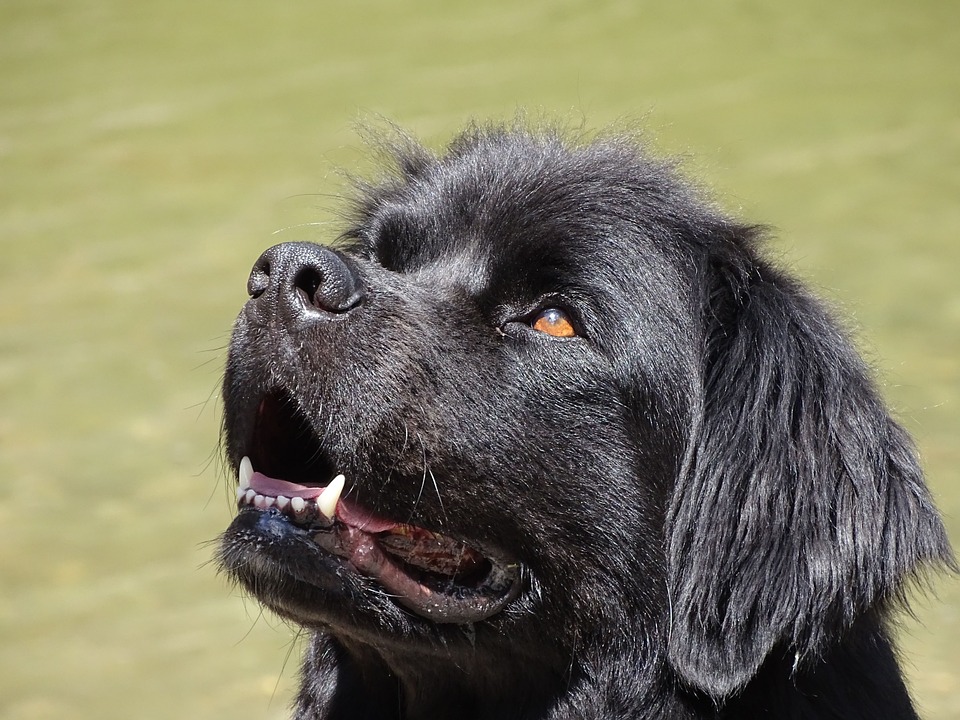
Seaman was the erstwhile canine companion of Captain Meriwether Lewis for the entire length of Lewis and Clark’s expedition across the western United States from 1804-1806. Seaman toughed out the same challenges as the rest of the team, including extreme weather, hunger, and other dangers of exploration. He assisted with hunting for game and was seen as a valuable member of the expedition — so valuable, in fact, that Lewis and Clark once performed field surgery on Seaman’s leg after he sustained a bad bite from a beaver. Seaman faced his journey with bravery and a good temperament, and was described by Lewis and others as “sagacious” (intelligent), and “very active, strong, and docile.” Lewis even named Seaman’s Creek after him, although many years later it was renamed to Monture Creek.
 
Today, Seaman’s legacy extends across the United States. Monuments to him can be found in several states, including Illinois, Missouri, Nebraska, Iowa, North Dakota, Montana, Oregon, and Idaho. He has appeared as a character in several works of fiction.
Sergeant Stubby
• Breed: American Bull Terrier mix
• Era: c. 1916 – 1926
• Claim to Fame: Decorated World War I veteran
Stubby served for 18 months in France as the official mascot of the 102nd Infantry Regiment, 26th (Yankee) Division. He soon distinguished himself as being more than just a mascot and became the only dog ever promoted to the rank of sergeant. He helped his regiment in countless ways, improving morale wherever he went, finding wounded soldiers, and using his keen senses to warn the unit of mustard gas and impending artillery attacks long before humans could detect them. He even captured a German spy by holding him in place until he could be apprehended. Sgt. Stubby won several medals for his heroism, including a Purple Heart, the Republic of France Grande War Medal, and many others, including the Iron Cross that had belonged to the German he captured! He wore all these medals on a custom-made army jacket. Throughout his service, he was known for being fearless but sweet-tempered and friendly with his fellow soldiers.
After the war, Sgt. Stubby became a celebrity. He met three presidents, led parades, and performed in vaudeville shows in which he earned twice the pay of a human actor. He then became the team mascot for the Georgetown Hoyas at Georgetown University and would come out at halftime to play with the football. His legacy is still ongoing — he has an exhibit in the Smithsonian, and an animated movie about him is planned for release in 2018.
Rin Tin Tin
• Breed: German Shepherd
• Era: 1918 – 1932
• Claim to Fame: International movie star
Rin Tin Tin lived a classic rags-to-riches story, in that he was rescued as a puppy from a World War I battlefield and went on to become one of the most famous film actors of all time. He appeared in 27 Hollywood silent movies and two movie serials and made an appearance in many advertisements. Being a dog, he was universally understood by audiences worldwide, so his fame spread rapidly and all his films were extremely successful. Rin Tin Tin contributed a great deal toward popularizing German Shepherds as pets. He was occasionally cast as a wolf or as other dogs, but his most frequent appearances were as himself or under his nickname Rinty. He even provided doggy “voice acting” for some radio shows where dog sounds were needed.
Rin Tin Tin’s legacy includes a star on the Hollywood Walk of Fame, located at 1627 Vine St. He often appears as a character in fictional works. His bloodline is still around today, and his descendants are frequently trained as service dogs for special needs children.
Balto
• Breed: Siberian Husky
• Era: 1919 – 1933
• Claim to Fame: Heroic sled dog
Balto was a sled dog team leader who participated in the 1925 diphtheria serum run, delivering the medicine to prevent a disastrous outbreak of the disease in Nome, Alaska. Several dog sled teams were involved in the effort to get the serum to Nome as fast as possible on the Iditarod Trail. Balto’s team ran the final relay of the journey after the serum was passed to them by another team led by another famous dog, Togo. Balto showed great expertise as a lead sled dog and was able to navigate the hazardous trail in darkness and whiteout conditions. He kept the team safe through the blizzard and saved their lives by preventing them from falling into the frigid Topkok River. Balto and his team got the diphtheria serum to Nome safely and were greeted as heroes.
Balto’s legacy lives on with a statue in New York City’s Central Park and an exhibit at the Cleveland Museum of Natural History, Cleveland is the city in which he and his teammates enjoyed their last years. An animated movie was also made in 1995 based on Balto’s story, although it’s only a very loose adaptation.
Chips
• Breed: German Shepherd/Collie/Siberian Husky mix
• Era: Early 1940s
• Claim to Fame: Decorated World War II sentry dog
Chips began life as a regular civilian dog before being sent to the War Dog Training Center in 1942. He became a sentry dog and accompanied the 3rd Infantry Division to Sicily as part of Operation Husky. While moving inland from their landing on the beach, the unit suddenly began taking fire from an Italian machine gun nest hidden in a nearby hut. The soldiers dropped down to avoid the shots, but Chips escaped his handler and charged directly into the hut, flushing out the machine gunners and enabling them to be captured. Shortly after, he saved his unit again by alerting them to ten Italian soldiers trying to sneak into the camp and helped capture all ten of the enemy. For his heroism in the face of injury, Chips was awarded the Purple Heart, the Silver Star, and the Distinguished Service Cross. His unit also unofficially awarded him with an arrowhead theater ribbon representing an assault landing, and eight battle stars for his campaigns.
At the end of the war, Chips returned home to a happy reunion with his family in Pleasantville, NY. He is remembered today as an example of the intelligence and bravery a dog can show, and Disney made a TV movie about him in 1990.
We hope you’ve enjoyed the stories of these five amazing dogs and the legacies they’ve left behind. One needs only to learn of dogs like these to realize the importance they’ve held throughout history and the way even a “household pet” can contribute so much to the world. Dogs are clearly more than just pets — they are friends, family members, celebrities, and heroes.
No matter what, it’s obvious that dogs will always be Man’s Best Friend. Give your pup an extra hug today!

SaveSave SaveSave SaveSave
How the Right Leash Makes a Difference

How the Right Leash Makes a Difference

How the Right Leash Makes a Difference


How the Right Leash Makes a Difference

Walking your dog is prime time for bonding, or at least it should be. For many dog parents, taking the pup for a walk is less like a fun, relaxing time together and more like a battle of wills. It’s common to see dogs pull while on walks and interested in trying to chase everything in sight.

Teaching your dog to walk nicely on a leash is one of the most basic, yet important training challenges. Loose-leash walking, in which the dog exerts no pull on the lead and remains at your side, is highly regarded as a sign of a well-adjusted dog and a good trainer.

The leash you use when walking your dog makes a huge difference, whether you’re actively training at that moment or just going for the usual afternoon jaunt. First off, although retractable leashes are very popular, they are not recommended. They actually teach your dog to pull, because the dog learns that pulling extends the leash. Retractable leashes can also result in injury to both you and your dog.

They’re usually so long that a dog can work up to a good speed before the leash pulls taut, causing a dangerous neck injury when the dog is finally jerked to a halt. The retracting part of the lead is made from a thin cord that can do significant damage to your hands if you attempt to rein the dog in manually, which is often necessary because the retraction mechanism breaks or can’t overcome the dog’s forward momentum. People have lost fingers, and dogs have been rushed to the vet with crushed windpipes due to these leashes.
The other main downside of the retractable leash is that their fully extended length allows your dog to be too far away from you. It’s important to keep your dog near you, both for safety and for ease in communicating. Six feet is a good length for a leash, especially when teaching loose-leash walking. The leash should remain slack. Please contact a certified pet trainer for more information on getting your dog to walk on a loose leash.

Some dogs who resist learning not to pull on the leash can benefit from a no-pull harness, which discourages pulling without risk of harm to your dog’s throat. However, many dogs can learn just fine with a normal collar, and that’s when your choice of leash becomes more significant. When choosing a leash, besides the length you should also consider the material it’s made from and how strong it is. We find that high tensile-strength nylon webbing is perfect for just about every dog, as it’s lightweight and very tough. For extra security, some collars, harnesses, and leashes are adorned with reflective material to aid in nighttime visibility, which keeps you and your buddy a lot safer if you’re walking near a road after dark.

Taking your best furry friend for a walk should be fun and relaxing, not a source of frustration, injury, or total chaos, and the right leash— and a bit of patience— will really help!


Give your dog a mental workout with puzzle toys

Give your dog a mental workout with puzzle toys

Give your dog a mental workout with puzzle toys

Give your dog a mental workout with puzzle toys
Dogs, like humans, can get bored. They have very active minds and crave stimulation. They also have a sense of accomplishment, which you can see in the pride they display when praised. There’s another side to this too— if a dog doesn’t have enough to do, he or she will invent something, and it may not be something you like! Dogs who chew furniture, tear things apart, or exhibit other destructive behaviors are often simply looking for something to do that feels rewarding. Boredom can also lead to depression, especially when the dog’s own means of seeking stimulation is forbidden. For dogs, especially very smart ones, mental activity is just as important as physical! 
There are plenty of healthy and fun ways to help your dog burn off mental energy and engage his or her brilliant mind. Puzzle toys are one of the best. The idea behind Puzzle toys is that the dog must figure out the toy and will be rewarded for doing so, whether with treats, food, or even other toys. Since the toy itself contains the reward, your dog will feel an enhanced sense of achievement that will encourage him or her to continue investigating new challenges. This type of mental enrichment helps keep dogs happy and alert and trains their IQ.
The Odin Treat Puzzle is one such mentally-enriching toy. This sturdy plastic polyhedron holds many treats or up to a cup of food. Your dog will need to roll it around, toss it, knock it across the floor, pick it up and shake it and more, all in a quest to get those tasty treats to fall out! It doesn’t have to stop at treats; since it holds so much food, you can use it for your dog’s mealtimes, too. Dogs who eat too fast can especially benefit from needing to work for their meal.
If your dog figures out the Odin too quickly, or you want to feed a larger dog with it, you can attach multiple Odins together to create an even larger and more complex puzzle. Enjoy watching your dog solve the problem of how to make those treats or kibbles appear from deep within the maze. It’s a mental exercise for your buddy, and great entertainment for you!
The Odin Treat Puzzle comes in Slate Grey, Rose Quartz, and Deep Mint colors and can be cleaned with soap and water. They come in one size that is intended to be small enough for small dogs, but large enough to be safe for bigger dogs too. And don’t forget you can attach a few together!
For a non-food-related reward, try giving your dog one of the DIG-iT plush puzzle toys, like the DIG-iT Fire Hydrant, Mailbox, or Recycling Bin. These soft plush toys each come with three squeaky plush bones that you can stuff inside. Dogs love to play with these toys and can’t resist figuring out how to remove those squeaky bones!
DIG-iT toys are about 6 inches in size and the bones are 4 inches each. They’re intended for small- to medium-sized dogs.
Give your best buddy the gift of mental enrichment with a puzzle toy. Hours of entertainment await your dog, and you as well!
Agility – Now What?

Agility – Now What?

Agility - Now What?

This list is my current “to-do” for my just-about-ready-for-Novice dog, Jambo!


#1. Proof at home. During an agility trial, there will be other people in the ring, dogs getting warmed up nearby, and a generally amped-up atmosphere.  If you enter a Pairs or Relay class, you and your dog will be in the ring while another dog is running a course!  It is very much a part of thorough preparation that you and your fellow students help each other by creating similar distractions during your class as you practice. Get some “ring crew” people moving around as you practice your dog’s start line.  Could one of the students be the “trial photographer” and hunker down by the side of the ring with a camera as a distraction? What if people clap and cheer? What if someone yells?  


Port Chester Obedience Training Club’s Agility Training Director Kim Seiter remembered a particularly unfortunate series of events at one of her young dog’s first trials. In her dog’s first Gamblers’ run, the judge (in charge of stating the points earned by the dog running) shouted, “ONE!” as her dog sailed over his first jump. Startled by that loud shout, her dog hesitated – then, outside the ring, all of the rest of Kim’s dogs erupted in wild barking! What did her young dog learn about competition that morning?  “He learned that there’s a person in the ring that yells suddenly; he learned that his handler gets kind of frenetic – and he learned that strange things happen that make the rest of his “pack” get loud!” We’d file this under “Lessons we wouldn’t want to repeat” – in any case, Kim’s dog had a strong foundation and handily got over this upset.

1418923781.png

Kim Seiter’s Nyalka

It seems that there is no end to the creative ideas that seasoned agility competitors will use to get their students ready for the ring – at the dog’s pace. As you might imagine, every instructor has got a number of strategies to simulate situations you’d see at a trial.


Melanie Miller teaches online courses at Agility University that specifically prepare teams for working together in a trial atmosphere. Melanie says, “The Find Your Missing Link class is perfect in helping beginners to accomplish the goals of being focused on what really matters : a positive ring experience and building confidence in the dog!” In this class, the focus is on teaching handlers to discover fun, effective ways to motivate their canine partner or channel the drive that they have. (Think “Tricks”!)  In this course, she outlines and demonstrates different games for handlers to try, and custom tailors the game plan for each individual dog.  She even adds start line stays into this mix!

heartMWM.jpg

Melanie’s puppy Heart

#2. Attend a seminar, workshop, or class at some new location. Find out now, rather than at a pressure-filled trial, what your dog’s challenges are in new locations. This is not only more fair to your partner, it’s great information for you – and the seminar presenter or class instructor will likely be mindful of that in their coaching.  Ask your instructor and fellow students for recommendations.  The Agility world is not huge, and lots of information gets passed around in classes, on Facebook (my local group is “Northeast Agility Seminars”), and on the AgileDogs list (to subscribe : [email protected] for help.)  Be sure the presenter is aware of your goals, even if they are just the beginning steps towards trialing – the best presenters will be patient about this!

Agility instructor Niki Levien teaches at Kellar’s Canine Academy in NJ. She works closely with student teams on trial preparation – including sending them out to seminars “away from home”.

“I’m assuming that training is in place and the dog has worked in as many environments as possible,” says Levien.  “I teach a how-to seminar introducing the Agility Venue Canine Performance Events that covers what to bring, what to expect, etiquette,  volunteering, how the day goes, possible run orders (tall to small, high to low), etc. But more than anything I encourage them to go to a trial, without their dog, and volunteer. I also encourage them to go to a match or run through if possible. My focus becomes information for the handler so their stress is lessened if at all possible. They’ll be nervous enough without adding surprise of something they didn’t expect. Such as getting their dog measured when it has never seen a wicket.”

PuppaNiki.jpg

Pupp, Niki and Puppa at a Halloween trial

Ah, the measuring wicket. As I re-read this post the night before my own Agility classes, I realized that we were missing out on a chance to introduce this probably-weird-to-dogs bit of equipment during down time in class. The concerns that students have (“What if my dog is fearful and can’t have a stranger leaning over him?”) are best answered well in advance of filling out your first entry form. Our class had a good time letting all the dogs discover that walking under the wicket made treats fall from the sky!  

IMG_0782.JPG

Hey there, Buddy! Under the wicket we go.

More to Read : longtime competitor and teacher Rachel Sanders : “USDAA’s Miscellaneous Classes for Training in the Ring”, July 2016

“Bad Dog Agility” podcast hosts Sarah and Liz talk about how a local trial makes the first-time novice competitor comfortable and excited about their future in the sport of dog agility.

Affordable Agility’s helpful play-by-play blog post about first trials.

—————–

About the author

Misa Martin is a Certified Professional Dog Trainer. Years of attending agility seminars, workshops, seminars and camps with her first dog led to the beginning of her professional dog training career as a PetSmart Trainer in 2008. In addition to joining Port Chester Obedience Training Club’s Family Manners program, Misa is a staff trainer at the Mount Vernon Humane Society, active with Pets Alive Westchester as a group class instructor and consultant for training and behavior issues, and a volunteer for the Walden Humane Society’s education program. Misa owns Hudson Valley Dog Trainer, providing reward-based training to private clients. Through her knowledge, experience, and sense of humor, Misa encourages students to approach dog training as a team effort, where students learn as much from their dogs as dogs learn from their “parents,” making training fun for humans and dogs alike! Misa can be reached at [email protected]

SaveSave SaveSave SaveSave SaveSave SaveSave SaveSave SaveSave SaveSave SaveSave SaveSave SaveSave SaveSave SaveSave SaveSave SaveSave SaveSave SaveSave SaveSave SaveSave SaveSave SaveSave SaveSave
Barn Hunt!

Barn Hunt!

Barn Hunt!


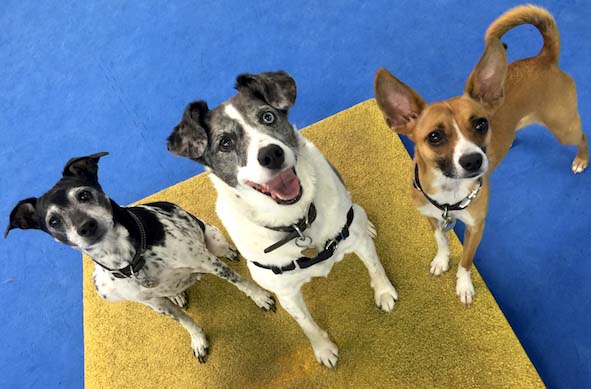
I’ve just come back from a 2-day Barn Hunt trial in PA. What a great way to spend July 4th weekend!  An Agility friend recommended that I give this new-ish organized dog sport that welcomes all breeds of all ages. From her descriptions, I expected to have a lot of fun with my 3 dogs and learn a lot during our first try at this instinct-driven sport.

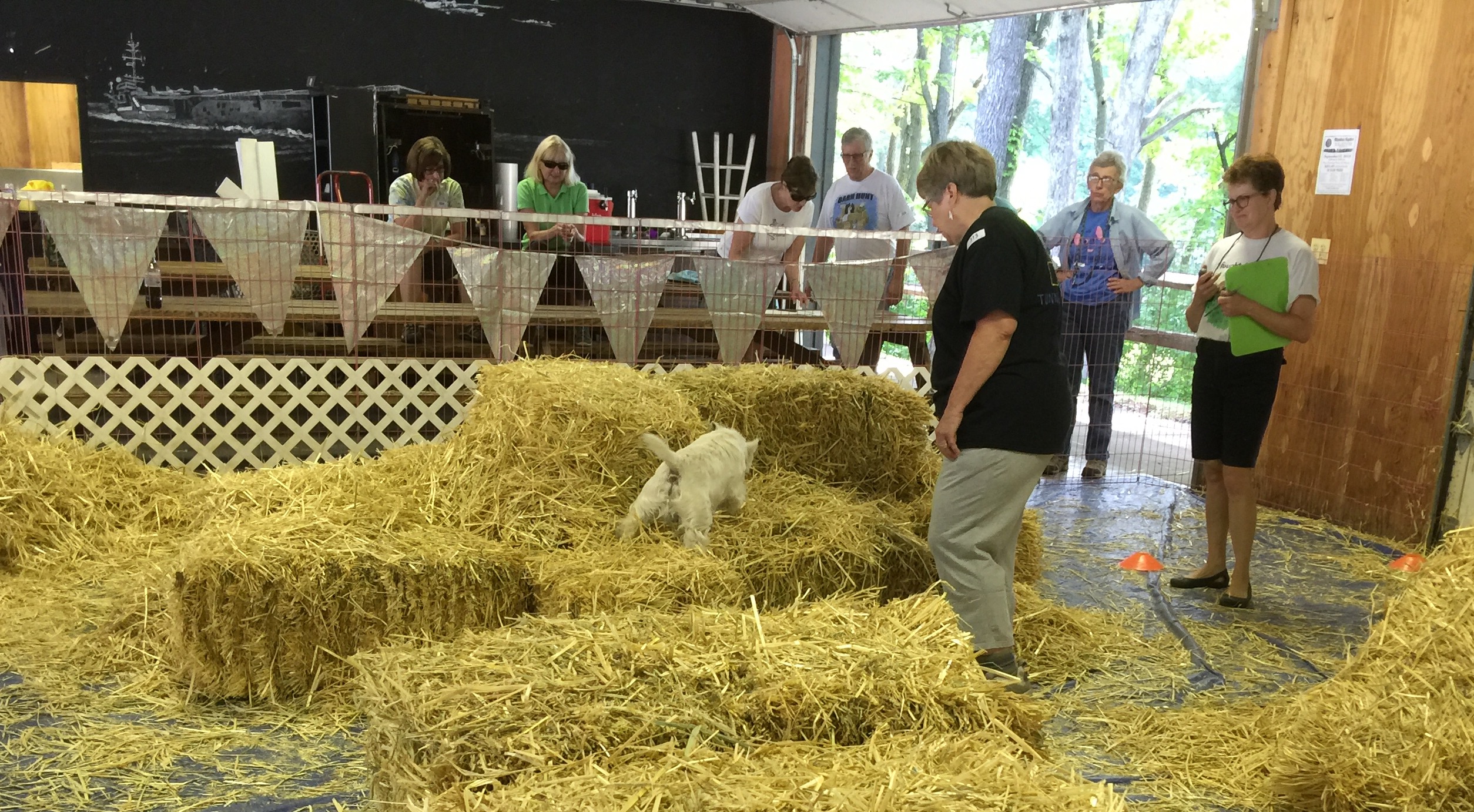
Here a Westie, there a Westie – Barn Hunt is especially popular with Terriers.

 Trig, Flop, Jambo and I arrived bright and early to the trial site on Sunday morning. I had sent in my dogs’ registration and entry forms for the event via the very well-organized BarnHunt.com (which also has Judge’s Briefing rules; I was happy I’d read these before playing.) As per the requirement, I had registered them all for the Instinct Test which is usually held first thing in the morning, in a separate ring from the advanced level dogs.  Our ring was for the beginner / “Novice” level dogs – when I checked in, I saw that three tubes had been laid out in the ring in preparation for the Instinct portion of the test. Each dog starting out with Barn Hunt needs to pass this first test –  identifying which of the 3 tubes placed side by side in the ring contains the live rat to such an unmistakable degree that his handler could triumphantly shout, “Rat!”.

A quick word about the happiness and well-being of the rats, which was of concern to me until I learned more about how they were handled. There was no way that the rats employed by this trial were ever going to be in harm’s way. It turned out that the rats at this trial were the pets of one of the judges, and she was very happy to talk to me about them. Far from being traumatized, the rate were kept in a separate area, away from passing dogs, during their “down time” at the trial and had a lovely array of snacks and treats available to them. They readily climbed into the hands of their Mama for cuddles and skritches.  As you can see from the picture, the tubes that the rats hang out in during the trials are more than secure.  The Barn Hunt rule book has very specific rules about the handling of the rats and I witnessed them being handled with the utmost care and respect at the trial.

IMG_6412.JPG

Scratch and sniff…Which one has the rat?

When it became time to compete, I expected to see a “running order” of the dogs just as Agility trials provide. Unlike other trials, each level of dogs entered here (in Novice, Open, Senior, and Master) were separated into groups, called “Blinds.”  This helped people like me who had entered multiple dogs in the same level, allowing me to have time to return to my car, get my next dog, and get back in line.   All the same, there were only a very few minutes in between finding out which of your dogs was going to be tested and needing to get to your blind group to be ready when called.


I hurried to get my oldest dog ready so that he could have ample time to potty before entering the ring. The activity of sniffing and searching can often lead to leg-lifting, a sure way to be dismissed from the competition ring!  Flop and I then made our way to the side of the building to join the other 3 dogs in our blind.  When Flop’s name was called, we entered the ring and stood in the “Box” – an un-leashing area at the entrance, marked off by orange cones – until the judge said “You may go when ready!”. In the ring were bales of hay configured so that the dog could easily climb them and go through the tunnel that was formed in between the bales. Both a climb and a tunnel are required of the dog competing at Novice level (and up) but in Instinct, this isn’t necessary. Of course, what Flop was most interested in were the tubes! He went over to them right away – then, upon inspecting them, he got very still. His tail started to go up and he stood right over one of the tubes. This seemed auspicious to me, so I asked the judge if I could call it.  She laughed and said, “You can’t ask me, you have to say it!” So I declared, “Rat!” and – jubilation! – Flop earned his Instinct title right then and there. 


Jambo’s experience was much the same, though she began by jumping up to try to make friends with the ring assistant and the judge. When that didn’t work (they ignored her), she sniffed her way all around the ring area, which was securely closed on all sides, and it was fascinating to watch her signals when she had found her rat. Ears pricked, she tilted her head back and forth as she sniffed the tube. “Rat!”, said I – correctly, as it turned out – and Jambo and I were thus ready to move onward to Novice level later that day.

IMG_6414.JPG

Masters level searching at the trial

   Trigger, my 10 year old dog, was next to try her hand at finding her quarry. She came into the ring, took a look at all the hay, and immediately began to roll in it….and roll, and roll some more. Perhaps she was a bit stressed by the atmosphere, and perhaps she wasn’t interested – in any case, after giving her time to look around, I didn’t feel right in being pushy to her during this first try.  And so we exited the ring, trailing several long strands of straw along with us.  I wasn’t concerned as Trig was entered in Instinct on both days that we attended so she had another chance. Of all my dogs, I felt that Trigger had the strongest hunting instinct.  What a surprise I had in store for me!  During her second try at Instinct, I asked Trigger to come along with me to pre-empt her rolling, happily encouraged her over to the waiting tubes, and pointed towards one. Trigger leaned in to have a sniff….and an expression of such intense, unmistakable dislike unfolded across her face that the ring crew and I all began to laugh. So much for my great hunter – in any case, Trigger loved the trails and park that we hiked in after the trial, which was just fine for all of us.

As I complete this blog post, I’m also filling out my entry forms for another local “Fun Test” to go to at the end of the month.  My 2 dogs that appear to love this activity will teach me more about being a good observer of their indicating behaviors.  This is what will keep me and many others coming back for another chance to climb hay bales, sniff around, and “Rat!” and enjoy this fabulous sport with our dogs.

Visit BarnHunt.com for more info about local events and “Fun Tests.” All breeds of dogs are allowed to play.

About the author

Misa Martin is a Certified Professional Dog Trainer. Years of attending agility seminars, workshops, seminars and camps with her first dog led to the beginning of her professional dog training career as a PetSmart Trainer in 2008. In addition to joining Port Chester Obedience Training Club’s Family Manners program, Misa is a staff trainer at the Mount Vernon Humane Society, and a volunteer trainer for Waggytail Rescue and the Walden Humane Society’s education program. Misa owns Hudson Valley Dog Trainer, providing reward-based training to private clients. Through her knowledge, experience, and sense of humor, Misa encourages students to approach dog training as a team effort, where students learn as much from their dogs as dogs learn from their “parents,” making training fun for humans and dogs alike! Misa can be reached at [email protected]

SaveSave SaveSave

Teaching an Automatic Sit at the Door

Teaching an Automatic Sit at the Door

I was training with a client and her dog the other day and drew out a kind of flow chart to help illustrate the process of teaching the Automatic Sit at the Door. Here’s what that looked like:

IMG_5733.JPG

Flow chart dog training plan! I don’t know whose beverage that is.

I thought the format would emphasize how the process of teaching the Auto Sit is dependent on being able to easily take a step back when your dog needs you to.  I sketched this out in two versions and was happier with the second (on the right) as the center of the chart, which relates and is connected to every step, states “Go back to practicing with fewer distractions.”  Here’s an explanation of how to teach it!

trigger.jpg

It’s so great to have a photographer as a Mom.

#1. Teach in short sessions.  In group class and in private sessions, my students work through this exercise in stages. Short, fun stages that are broken up with other movement-based exercises that prevent our dogs from getting bored!  Students also learn how to indicate to their dog that getting up from a control position stops the rewards.  I coach the handlers to freeze and stop feeding – within a short time, the dogs will Sit again to get those rewards happening again!  This point in training is also a good time for me to introduce the concept of the cue as a signal – which brings me back to our topic today.

Teaching a dog to Sit automatically at your door isn’t just a potentially life-saving activity, but is also a mighty convenient, easy to teach behavior – especially once the humans learn that they are simply changing the meaning of a signal for their dog. Our business here involves identifying that signal (standing next to the door and putting our hand on the knob, and the other actions involved with opening a door) and changing its’ meaning from “Ladies and Gentlemen, start your engines!” to “Sit.”

DSC_8378.JPG

Can my dog hold a control position with distractions? You bet!

I’ll assume at this point that you’ve already taught your dog to sit successfully with distractions. Even if your pup doesn’t hold the position for very long, and even if you can’t get too far away from your dog just yet, you’ll want your dog to have an understanding of Sit until you release her from that position with a release word that you’ve taught such as “Break!” or “Okay!”.  You’ve spent some time rewarding your dog for remaining in a Sit despite those distractions and slowly upping the ante as you see your dog’s understanding of “Sit (or Down) – until further notice” increase.

  1. Prepare training treats; pick a quiet area to train in without many distractions. Using a closet door for this first stage is a wise move as the magnetic lure of a possible walk outside may be too powerful for your dog at this juncture.

  2. Get some Sits going at your location. Reward your pup for sitting at this new place, and don’t forget to practice releasing your dog from the Sit during this session, too.

IMG_4167.JPG

3. Position yourself at your door so that you’ve got one hand for the distribution of treats and for giving the hand signal for Sit, keeping your other hand free. Now, cue your dog to Sit – as he does, simultaneously touch the doorknob and – if your dog is still sitting – feed your dog. If your dog gets up, take your hand off the doorknob and wait for a Sit. Repeat this a few times – your dog should be correct 80% of the time before you move on. (Bob Bailey)

4. “My dog got up!” Just freeze. Try to not reprimand, scold, or “eh-eh!”.  Just take your hand off the doorknob and freeze in position until your dog Sits again. Then, go right back to reinforcing that Sit as you rest your hand on the door. I don’t fret when my dog makes this mistake – it’s part of the learning process, and my clear feedback will get this mistake to go away.

5. Proof it. Proofing means, “Add in more distractions.” I love this part of teaching the Stay behavior because my students tend to get very creative! They hop around on one foot, sing, gesticulate, and do all kinds of nutty things to test their dog’s understanding of Sit and Stay.  In this process, a logical next step would be to try rattling the doorknob to see if that makes your dog get up. If she does, follow the directions at #4. If not, repeat this bit and then take a brain break with your dog if you haven’t yet.

6. Start to open the door and feed for a stable Sit. If I were to make a flip book animation of your actions as you train, you would have a great visual of the breakdown of each bit. Think of the actions you’re training as all being dependent on your dog’s Sit – Reaching for the doorknob, rattling it, then finally starting to open the door.  Trainers call this “Splitting” a behavior or group of behaviors (as opposed to “Lumping”, where the trainer tries to accomplish a whole lot of these actions all at once)

7. Keep on proofing and feeding for success. If the dog gets up, close the door right away!  Wait for the Sit, then start again. You can use your “Break!” or release word any time – try to time the release well, so that your dog is firmly sitting as you give the cue. Proofing at this stage includes : changing locations (keep your dog on leash to keep her safe when you start practicing at a door that leads to the outdoors!) Also – shifting your body around (“Can you hold a Sit even though I’m starting to walk out the door?”)

8. Release your dog and go for a walk! The element of using this great “life reward” for your new Automatic Sit is great to use – it’s a functional, positive consequence for your dog’s behavior. Remember : it never hurts to go through this routine with food rewards every once in a while to maintain the behavior.

Have fun with your dog!

Misa Martin is a Certified Professional Dog Trainer. Years of attending agility seminars, workshops, seminars and camps with her first dog led to the beginning of her professional dog training career as a PetSmart Trainer in 2008. In addition to joining Port Chester Obedience Training Club’s Family Manners program, Misa is a staff trainer at the Mount Vernon Humane Society, active with Pets Alive Westchester as a group class instructor and consultant for training and behavior issues, and a volunteer for the Walden Humane Society’s education program. Misa owns Hudson Valley Dog Trainer, providing reward-based training to private clients. Through her knowledge, experience, and sense of humor, Misa encourages students to approach dog training as a team effort, where students learn as much from their dogs as dogs learn from their “parents,” making training fun for humans and dogs alike! Misa can be reached at [email protected]

IMG_1179.JPG


SaveSave SaveSave SaveSave SaveSave SaveSave SaveSave SaveSave SaveSave SaveSave SaveSave SaveSave